




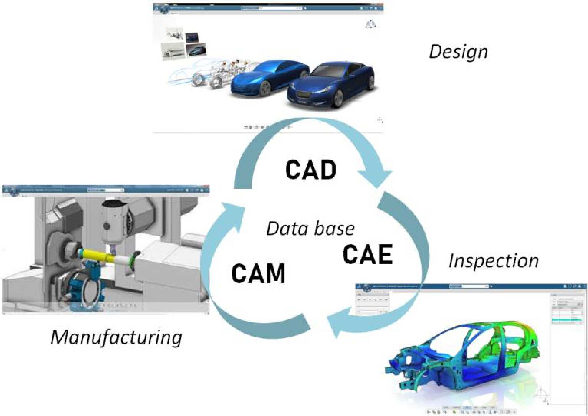
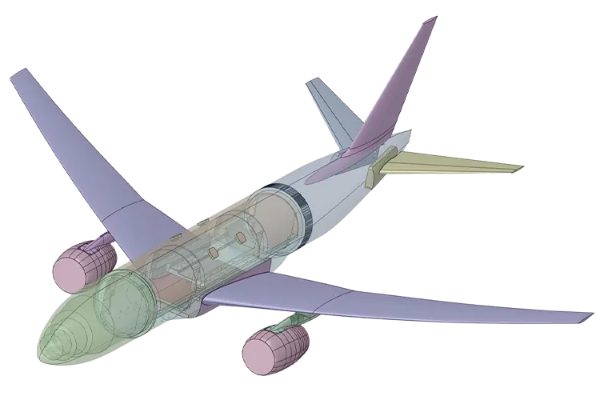
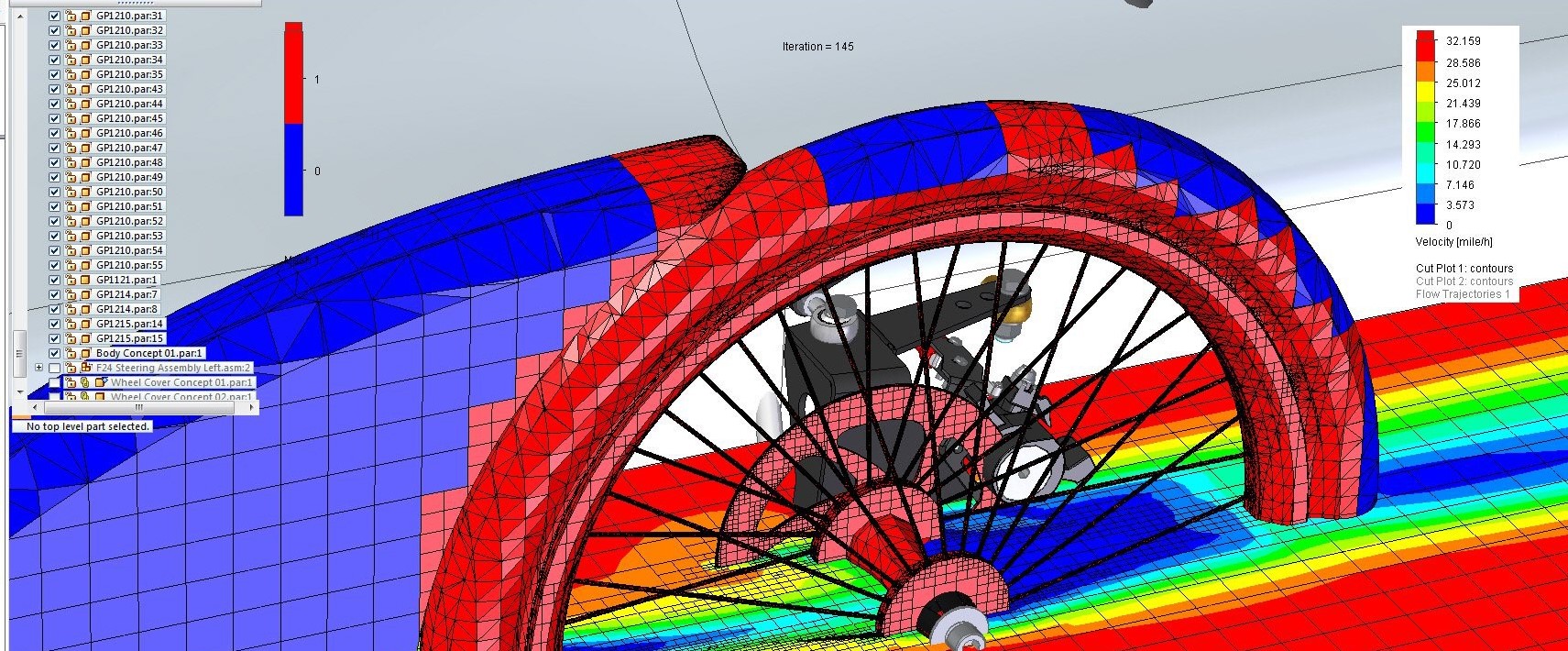
Simulation engineers play a crucial role in vehicle crash testing, aerodynamic modeling using Computational Fluid Dynamics (CFD), and engine performance simulations. They also conduct structural analysis with Finite Element Analysis (FEA) and develop simulations for autonomous vehicles to enhance safety and performance.

In this domain, simulation engineers optimize manufacturing processes, design robotic automation systems, and analyze the stress and durability of machine components. They also work with digital twins to replicate real-world factory environments and use material behavior modeling to improve product quality and efficiency.
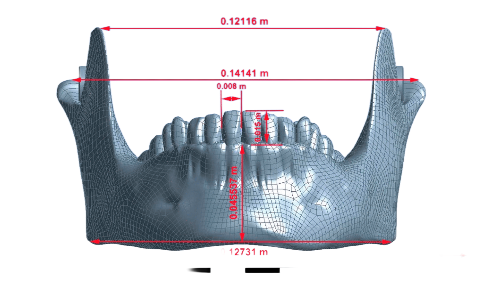
Simulation engineering in healthcare involves testing medical devices such as prosthetics and implants, conducting human body simulations for surgery planning, and modeling pharmaceutical drug interactions. Additionally, engineers work on biomedical signal processing and develop Virtual Reality (VR) simulations for medical training, improving the precision and effectiveness of healthcare procedures
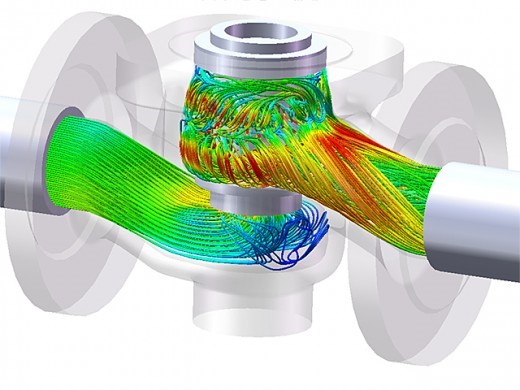
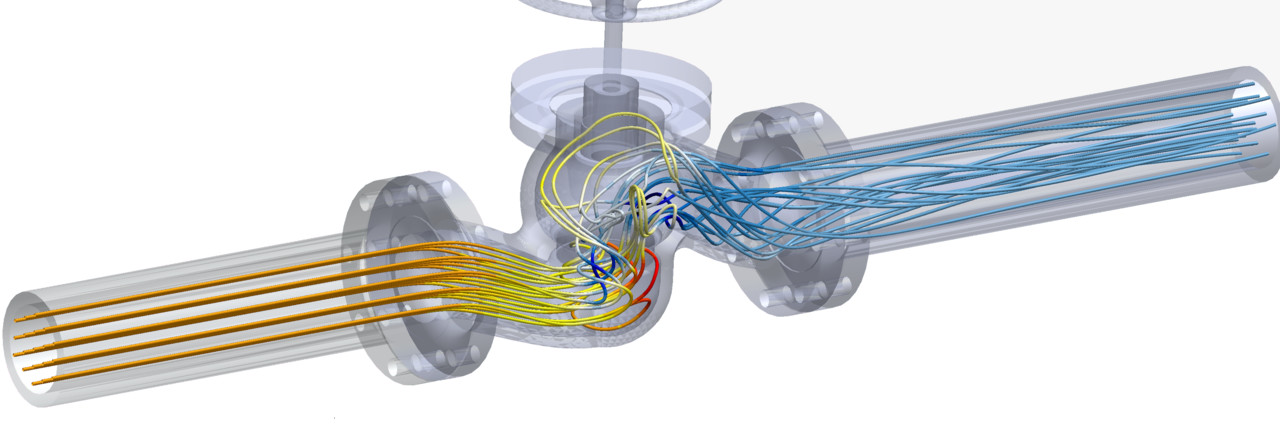
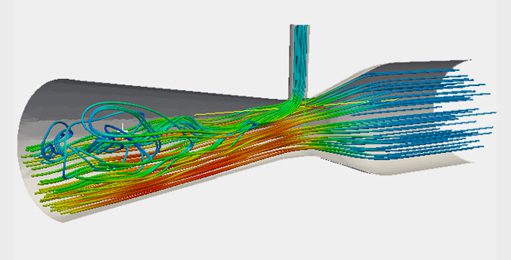
This is another CFD visualization, showing fluid behavior in a complex three-way valve system. The different colors indicate variations in velocity and pressure, highlighting areas of turbulence and flow separation.
The rectify type has a really nice illustration of a few mountains. What does they illustrate? I'm not sure. It just looks pretty.

The rectify type has a really nice illustration of a few mountains. What does they illustrate? I'm not sure. It just looks pretty.
The rectify type has a really nice illustration of a few mountains. What does they illustrate? I'm not sure. It just looks pretty.
The rectify type has a really nice illustration of a few mountains. What does they illustrate? I'm not sure. It just looks pretty.
The rectify type has a really nice illustration of a few mountains. What does they illustrate? I'm not sure. It just looks pretty.

Mechanical - Simulation Engineer

Mechanical - Simulation Engineer